How To Spark Deep Focus in an Age of Infinite Scrolling
Being a creator.
AI can write the song, cut the video, generate the image. The question is whether your students know why they made a creative choice, or just accepted what the machine handed them.
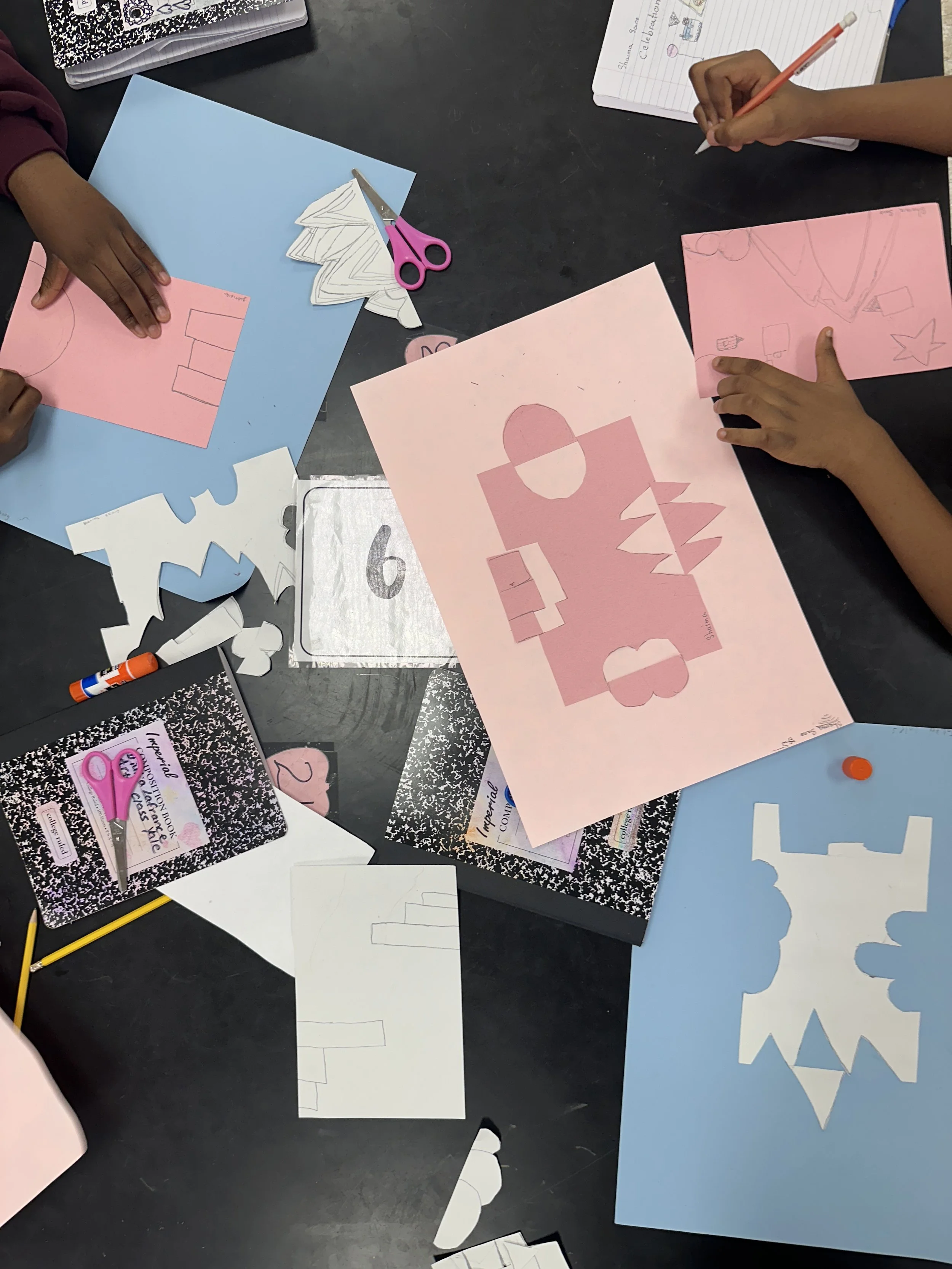
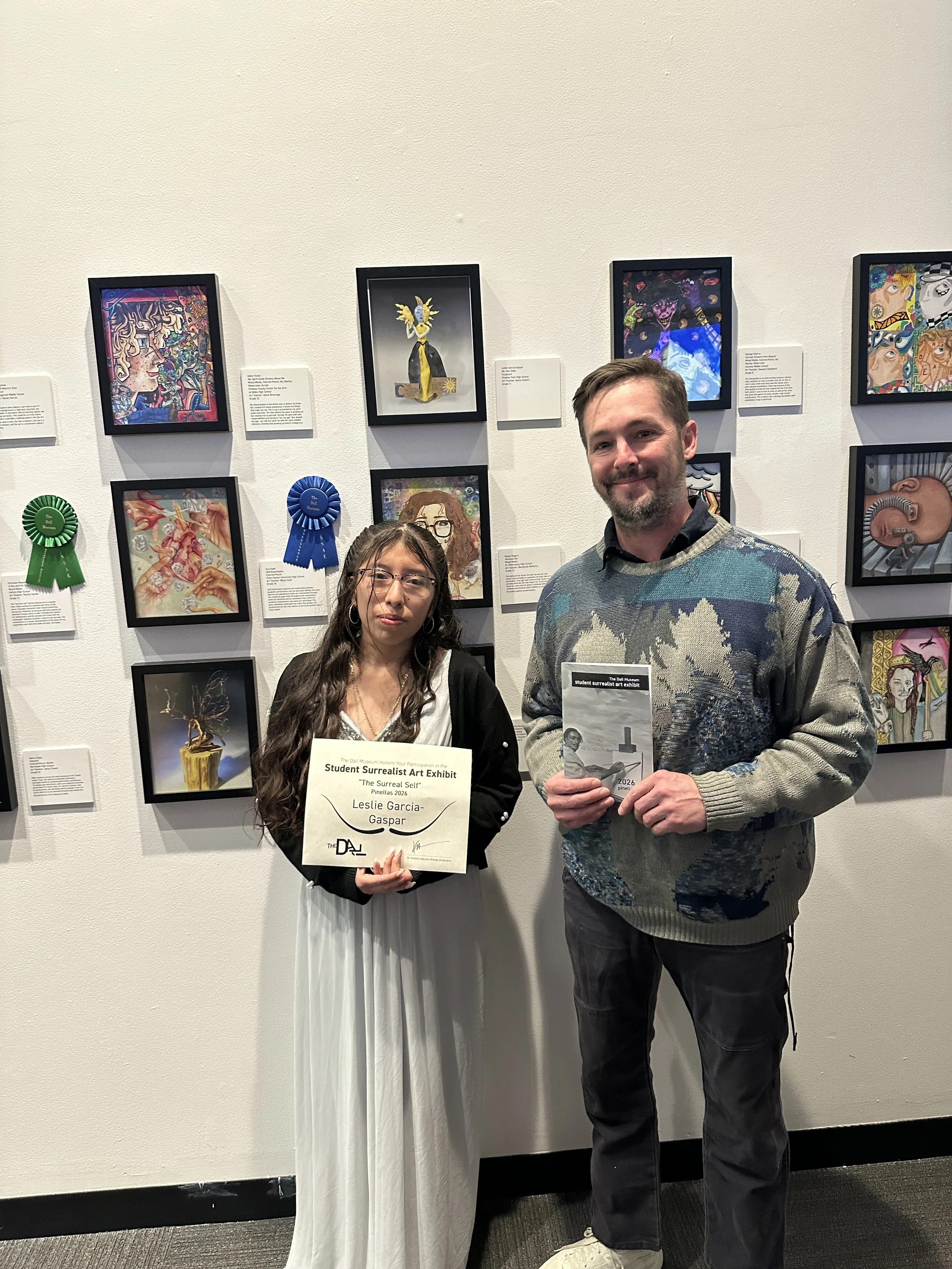
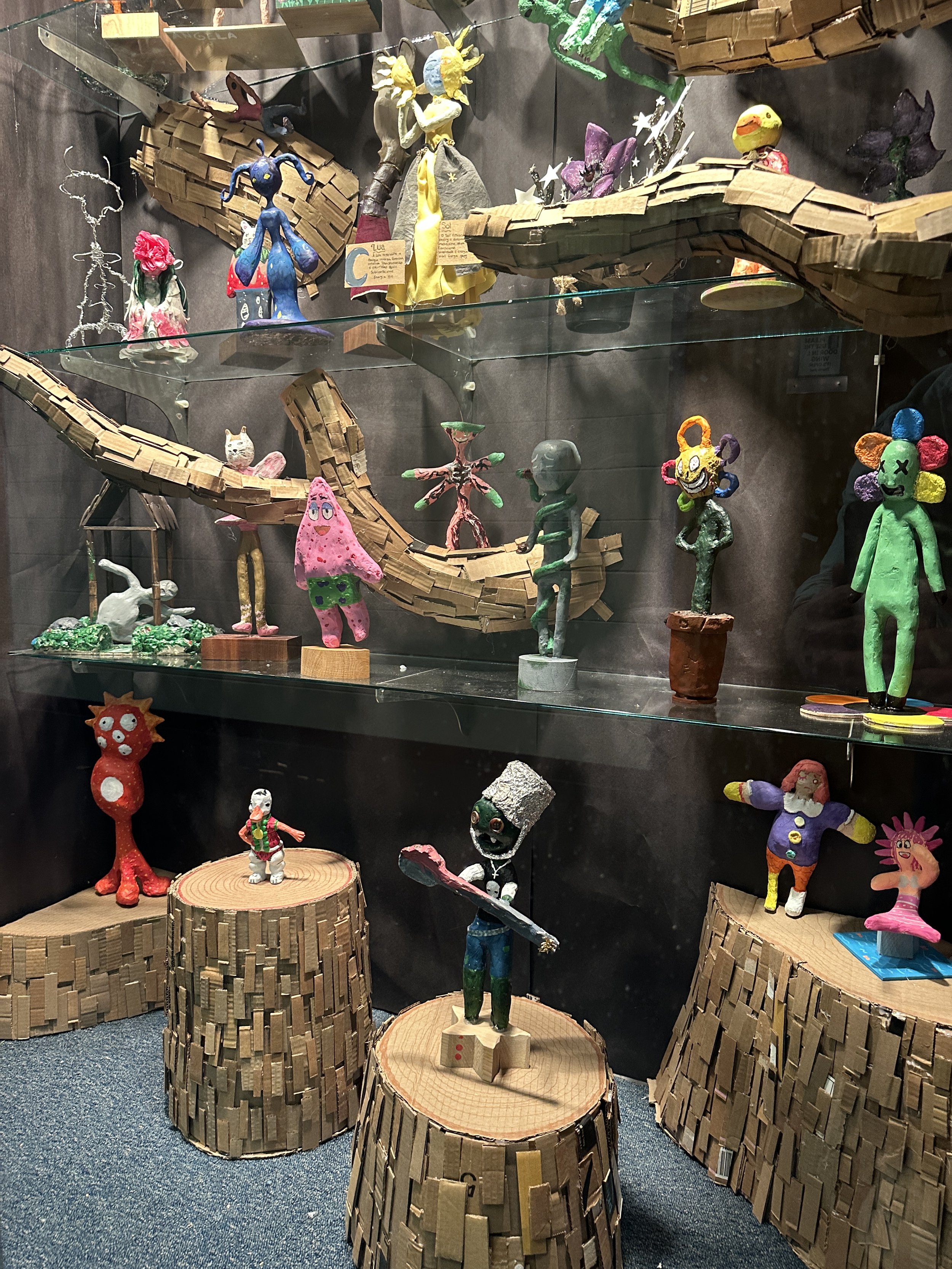
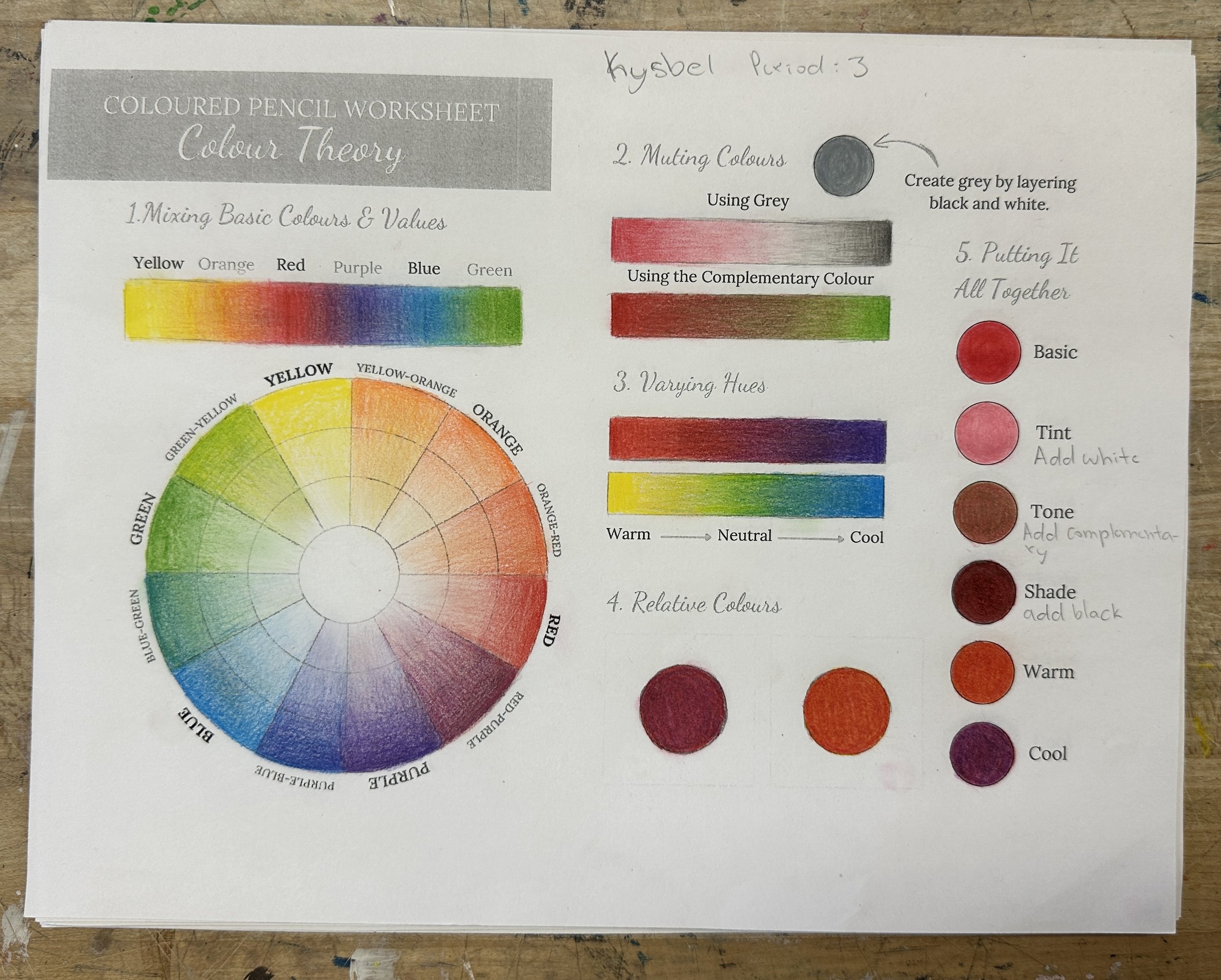
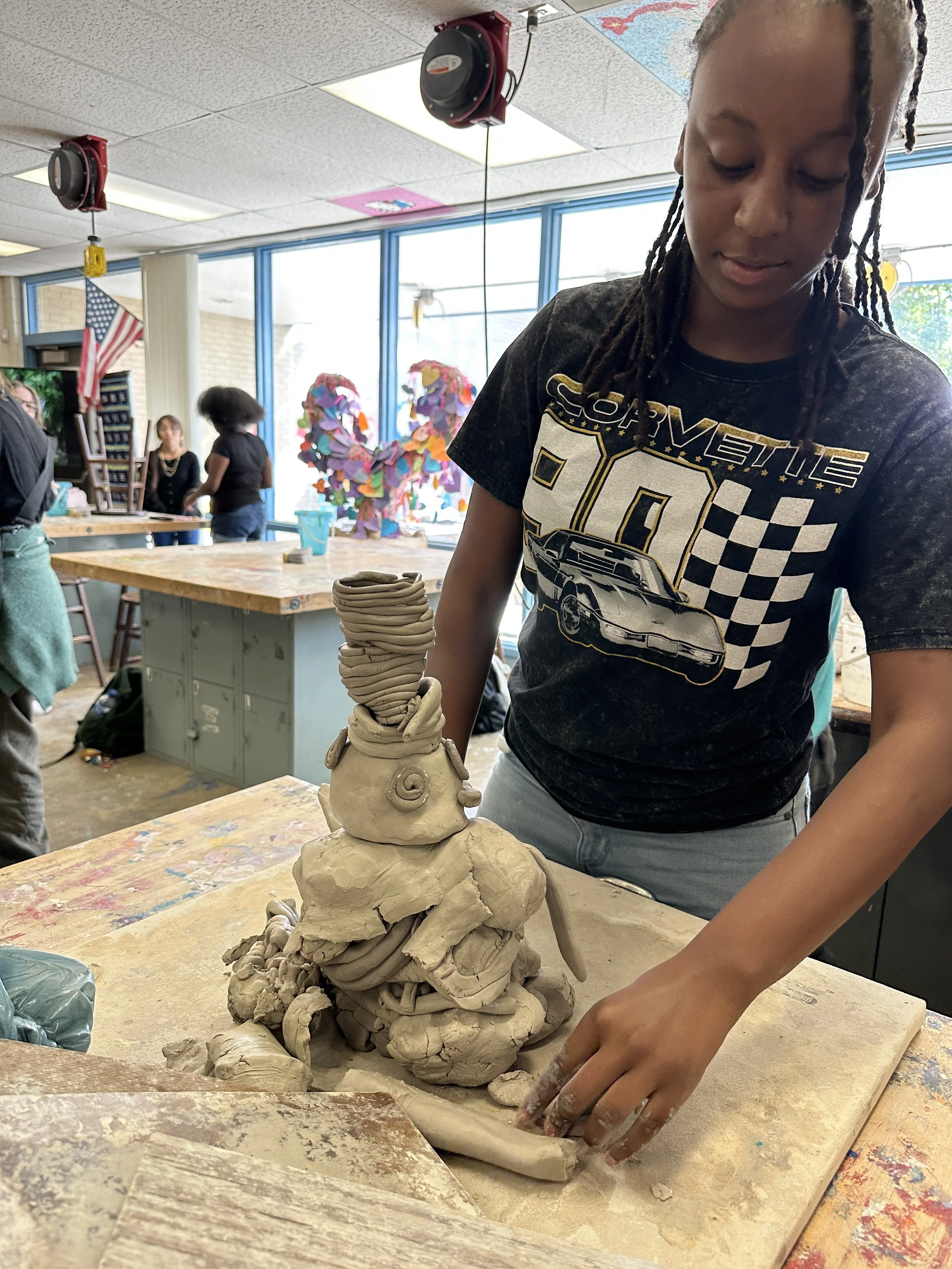
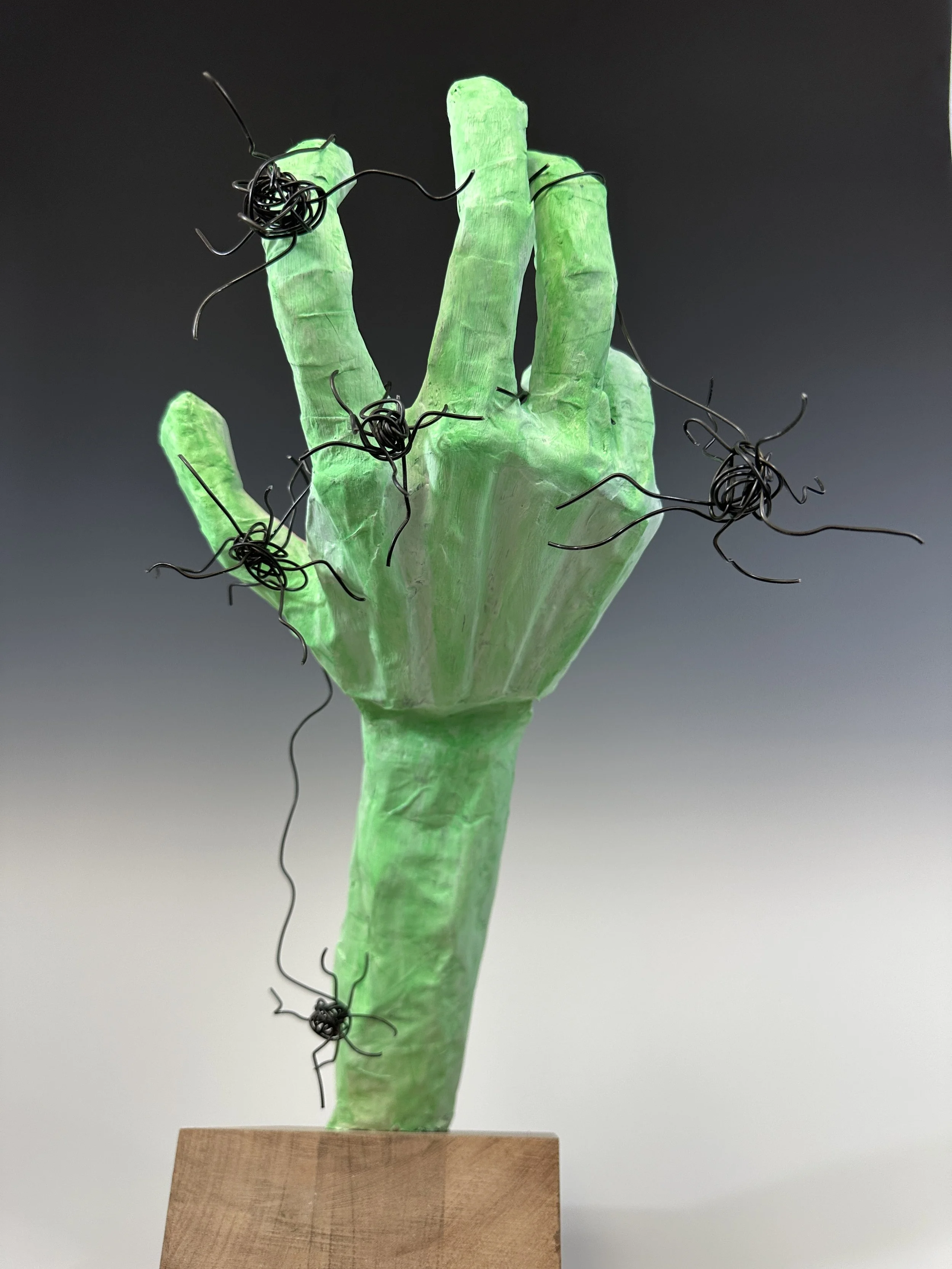
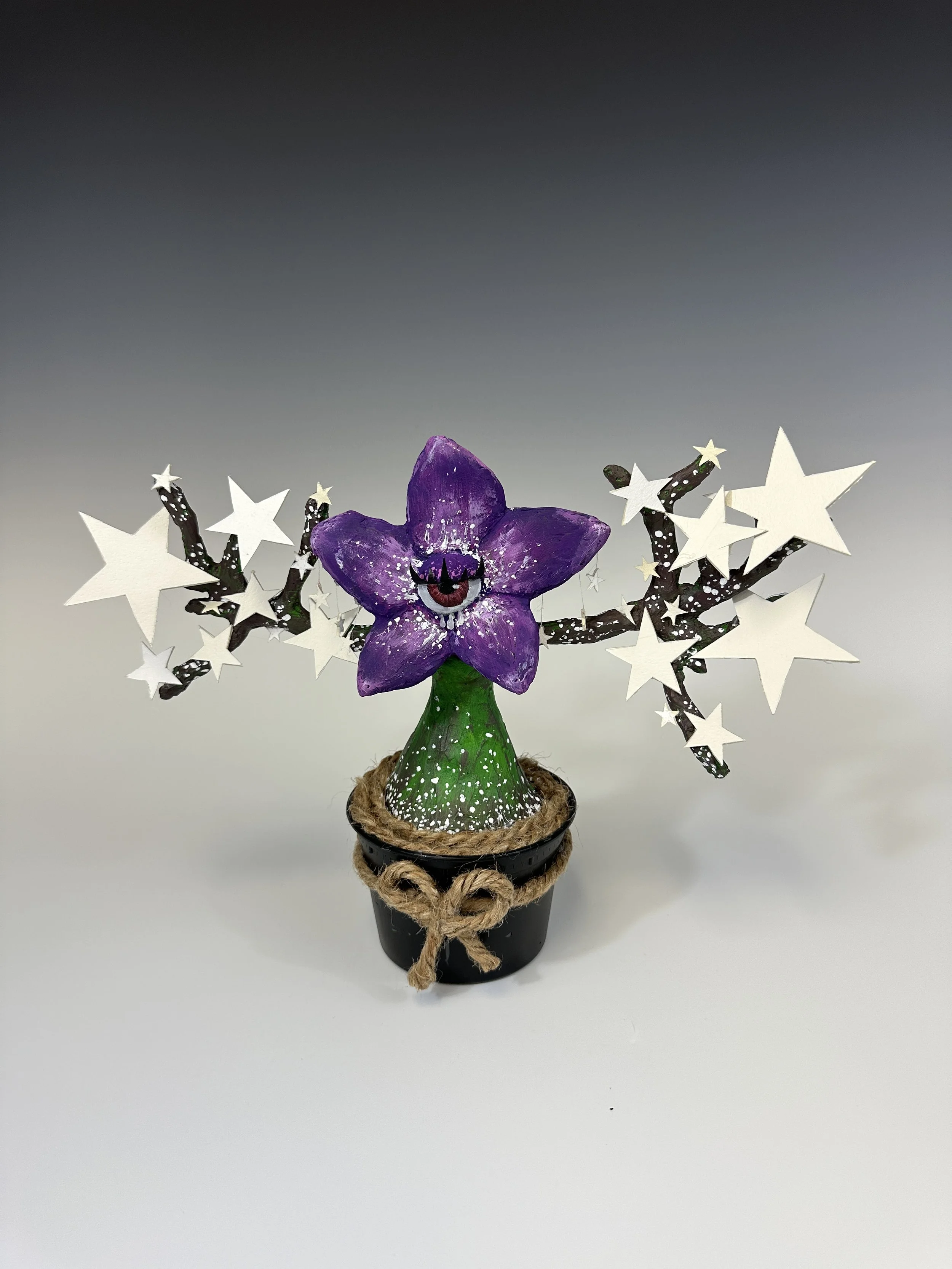
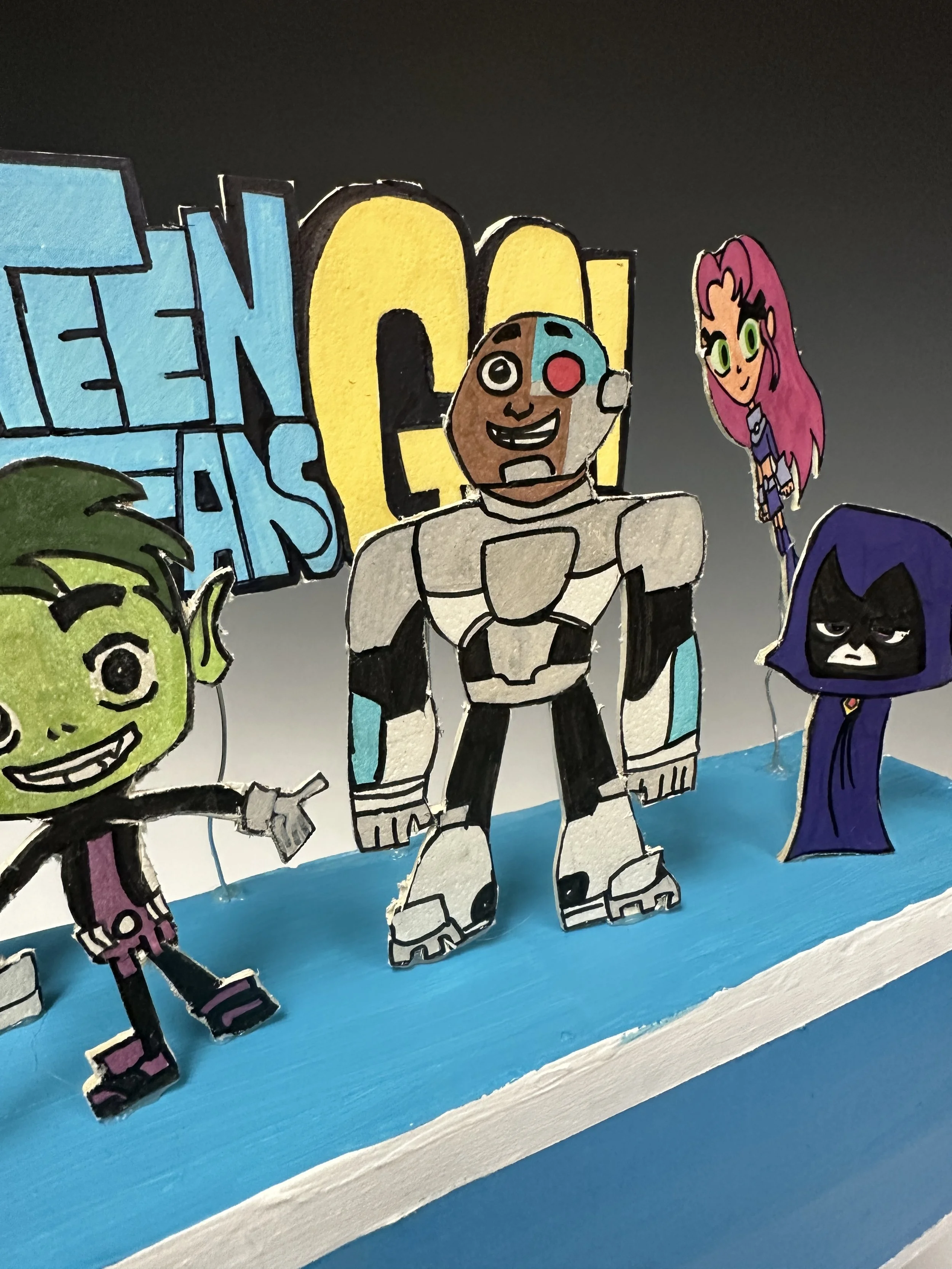
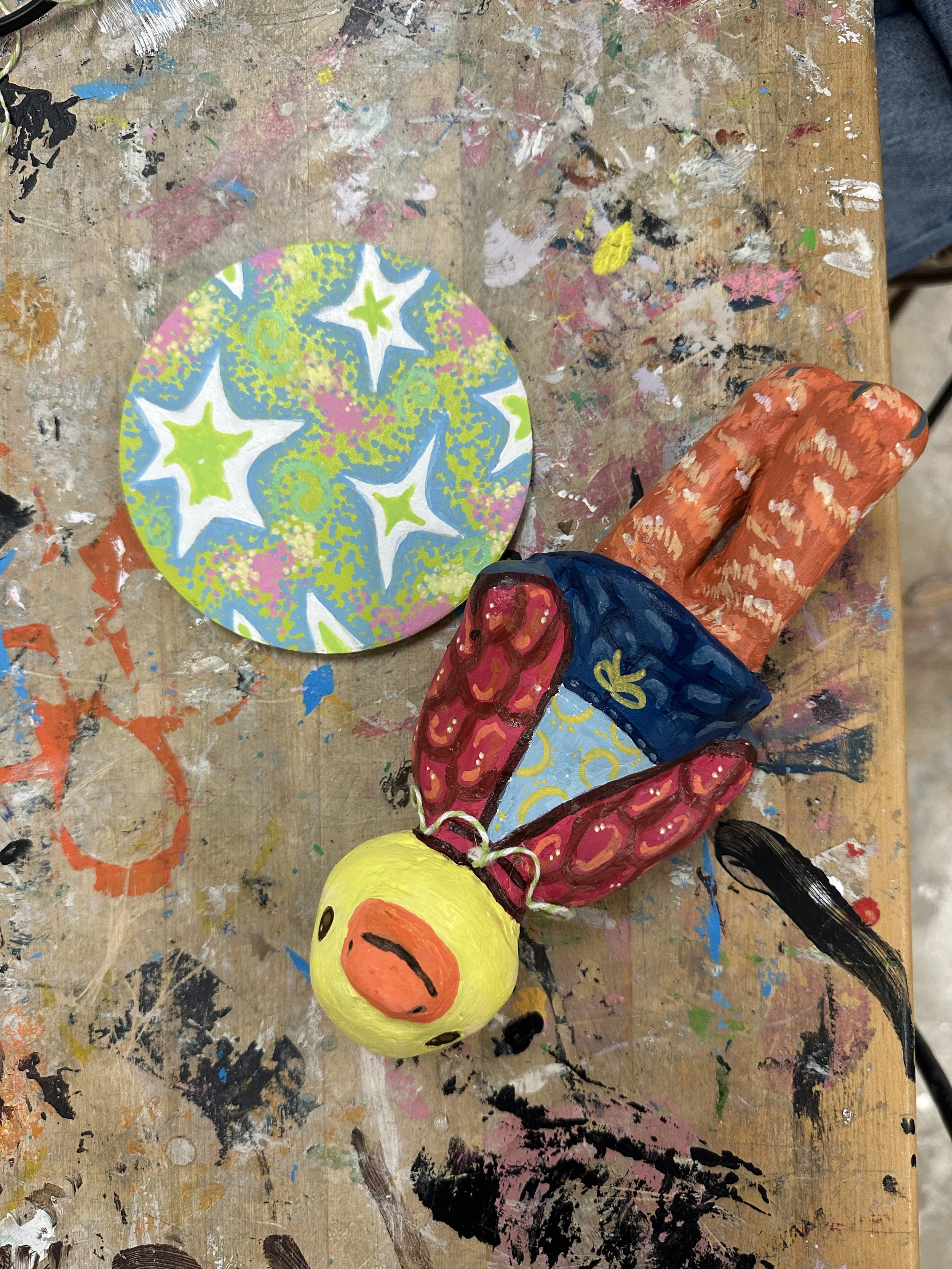
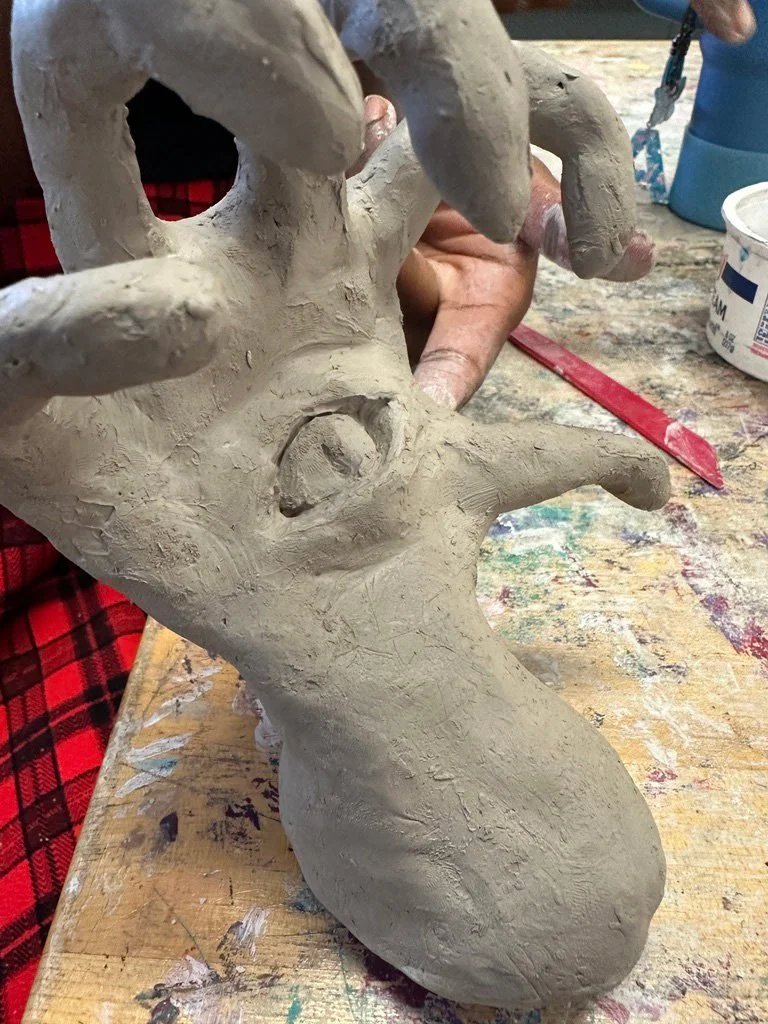
In my classroom, students make things first. They learn the fundamentals - how a shot is composed, how a sculpture holds weight, how a story is structured - so that when they pick up any tool, including an AI one, they're the one driving.
Skill + Craft isn't opposed to technology. It's what makes you fluent in it.
Why I do this work.
My goal is to help students grow, as thinkers, makers, and people, in a world that keeps changing faster.
Challenging
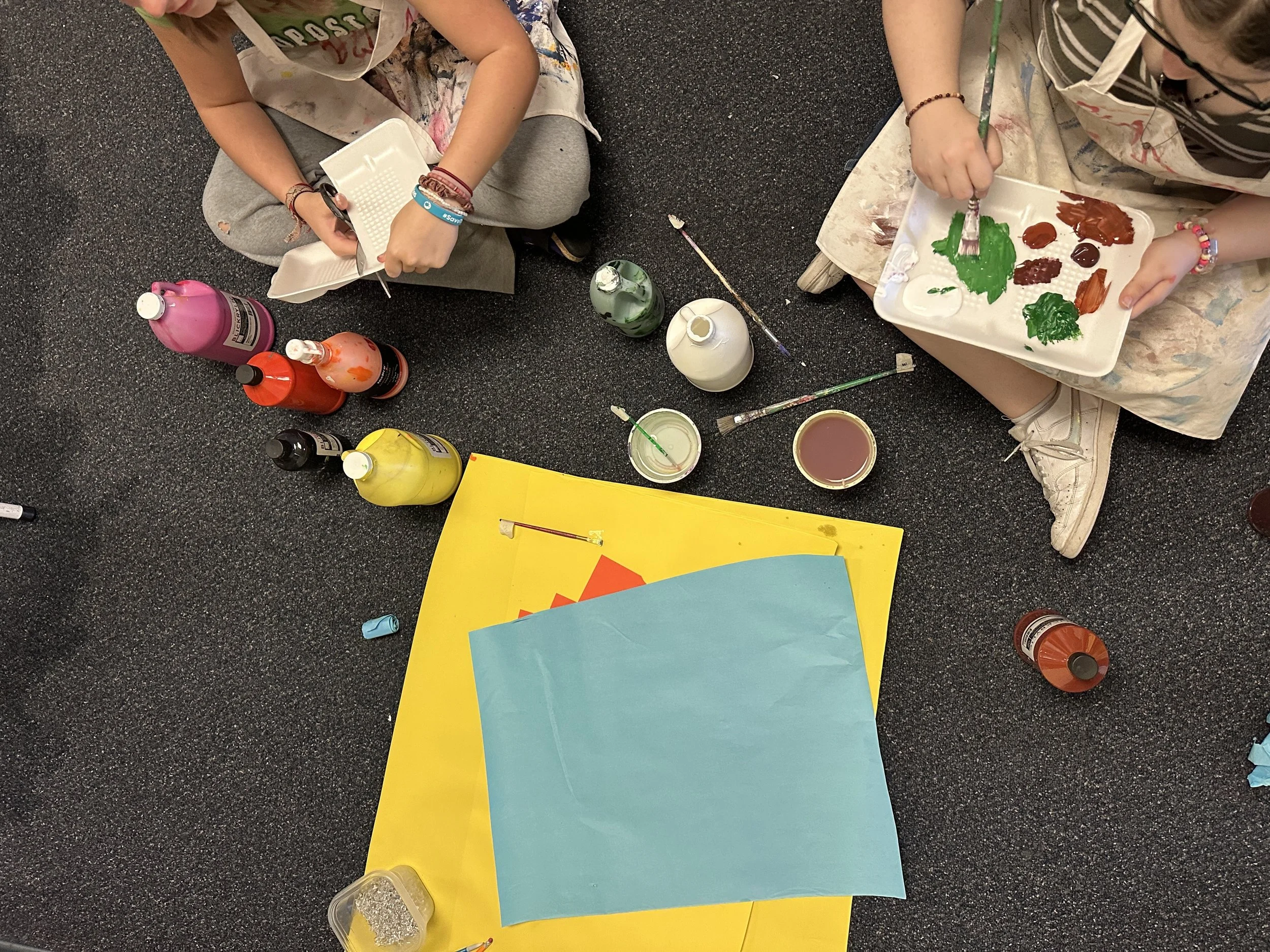
Creating is hard. Figuring out how to say something through a camera, a microphone, or a piece of material takes real effort and real risk. We lean into that, through experimentation, iteration, and revision. Students generate a first draft, and leverage AI to iterate. Critical thinking is key.
Rewarding
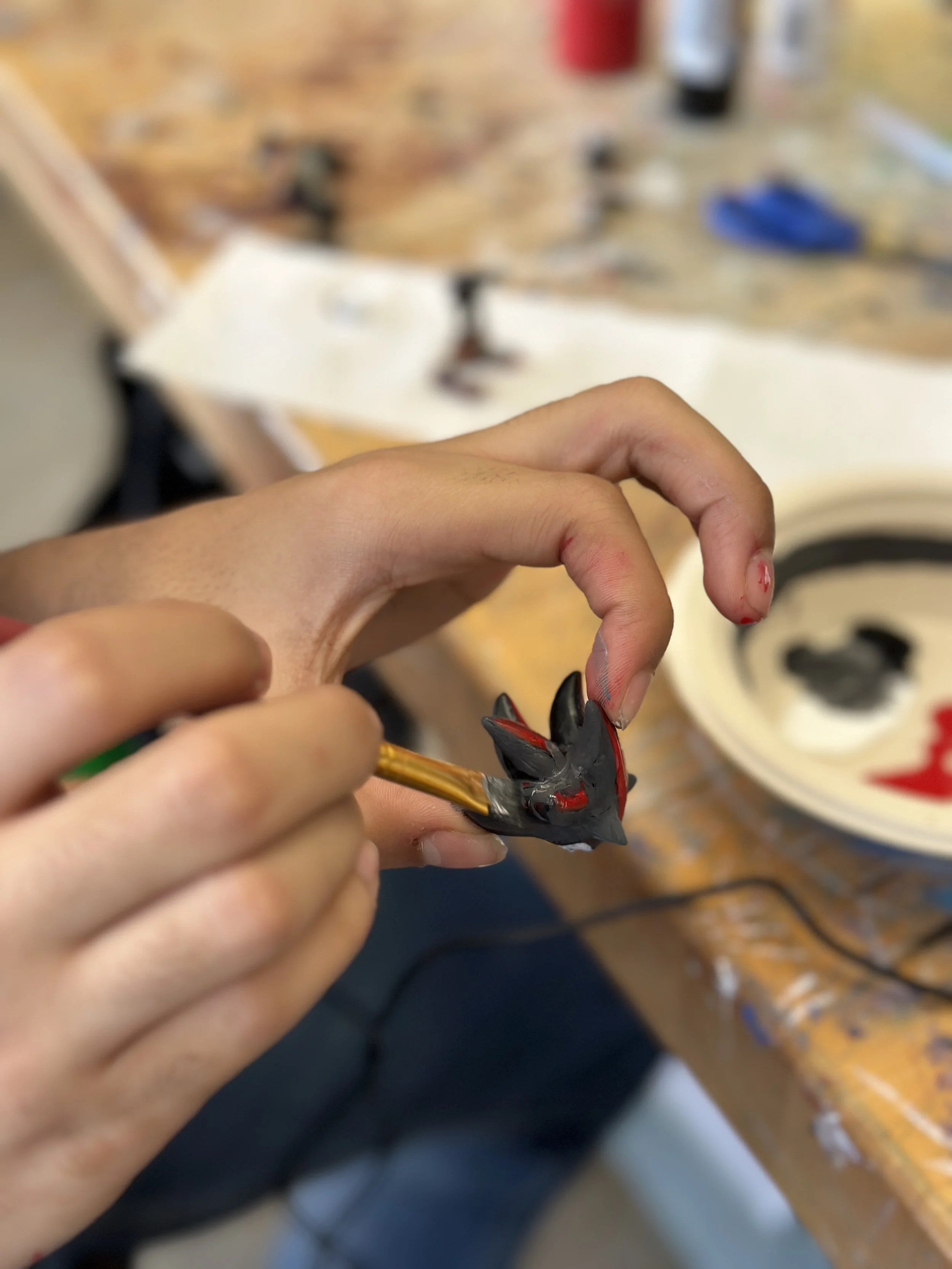
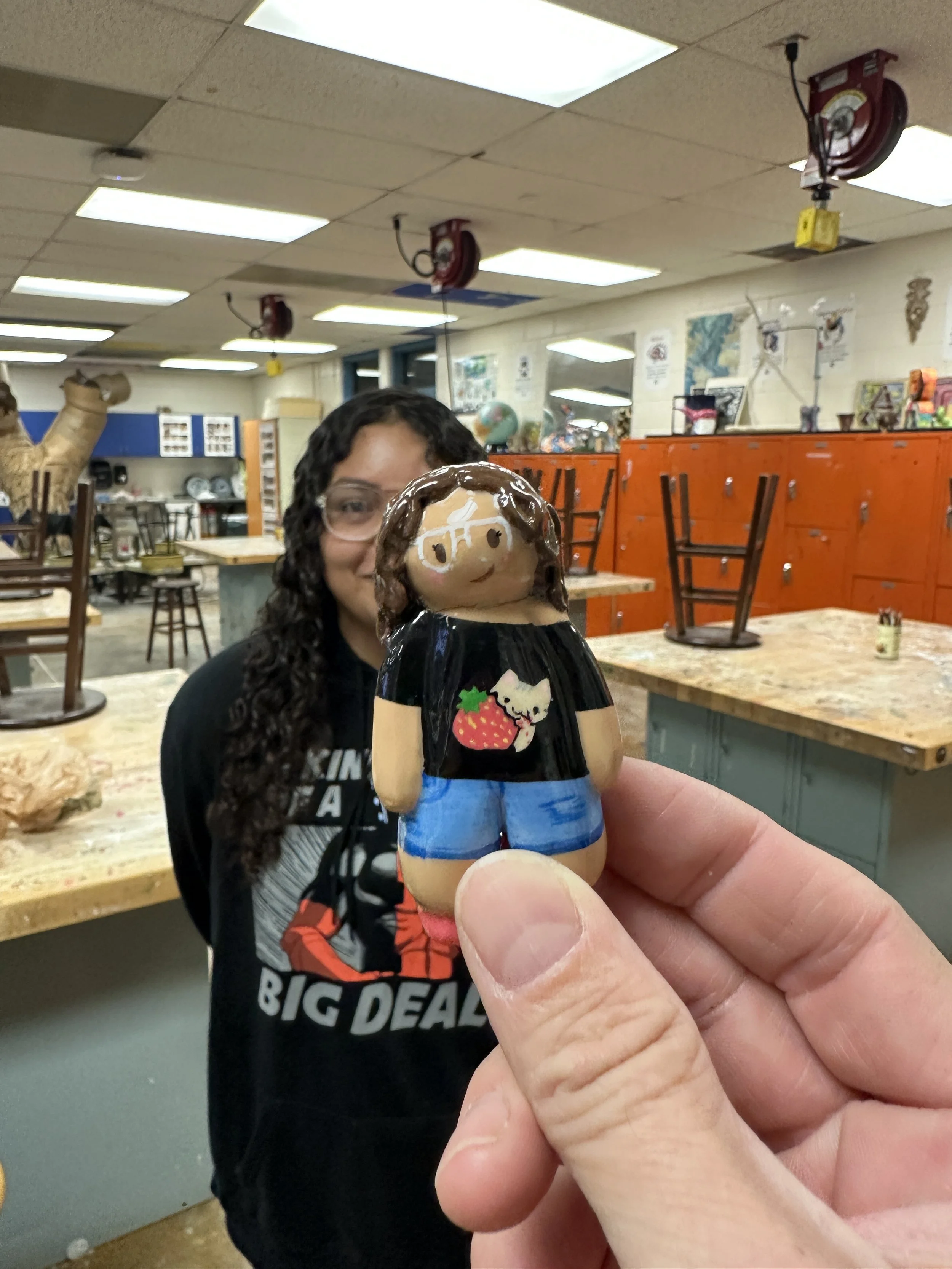
When it clicks, there's nothing like it. A student who finds their voice through a photograph, a short film, a sculpture, or a single recorded note, that moment is worth everything. We build a space where those moments happen more often, and where students own them completely.
Purposeful
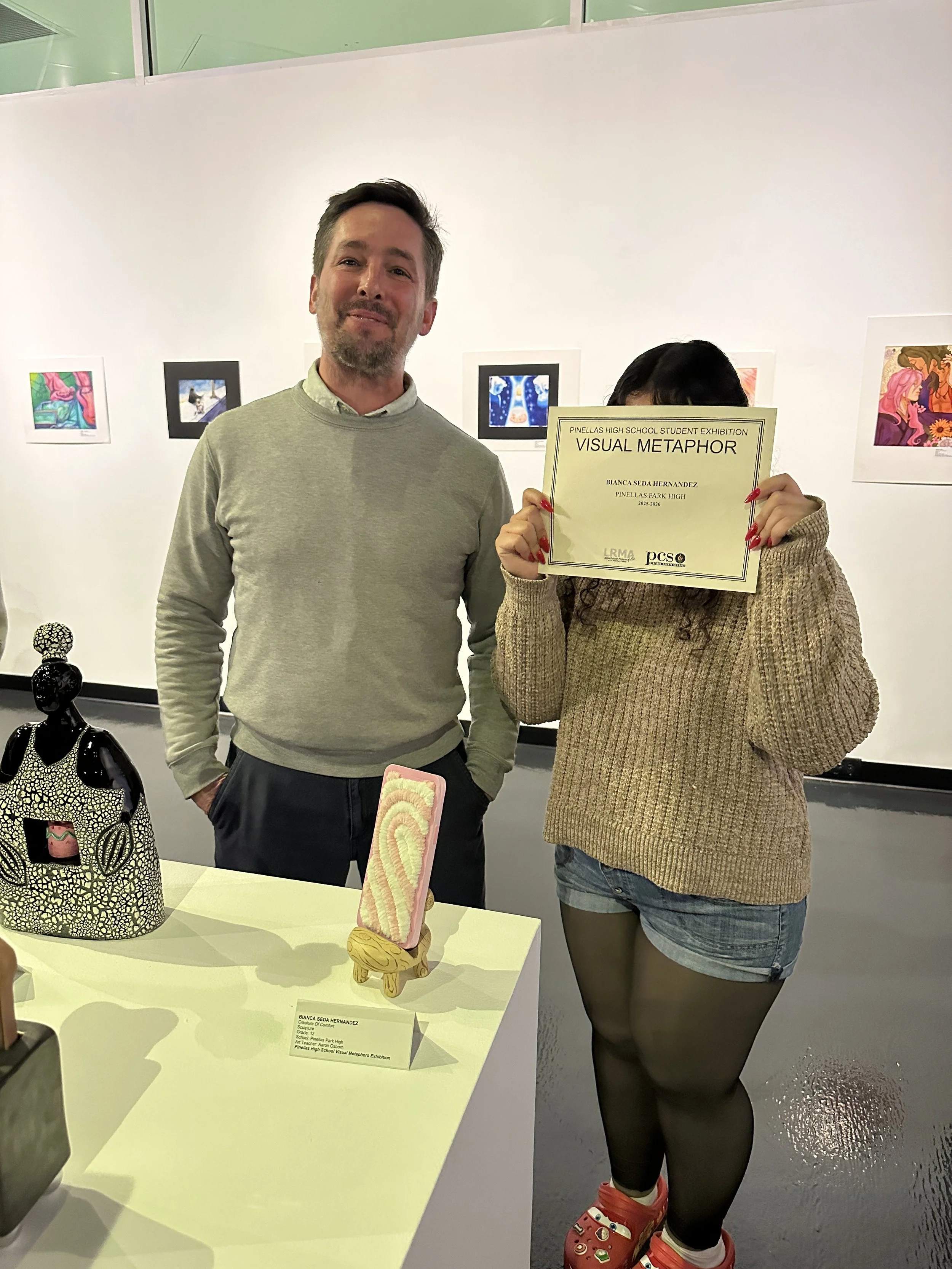
Art class isn't a break from learning. It is learning. The skills built here, observation, iteration, critical thinking, resilience, carry into math, writing, science, and beyond. We create because it matters, and because the act of making shapes(get it…) who we become.
Featured Projects
Giant iPhone
When I walked into my classroom for the first time in 2023, I noticed something immediately, the pull of the smartphone was constant, and fighting it felt like a losing battle. So instead of fighting it, I made it the lesson.
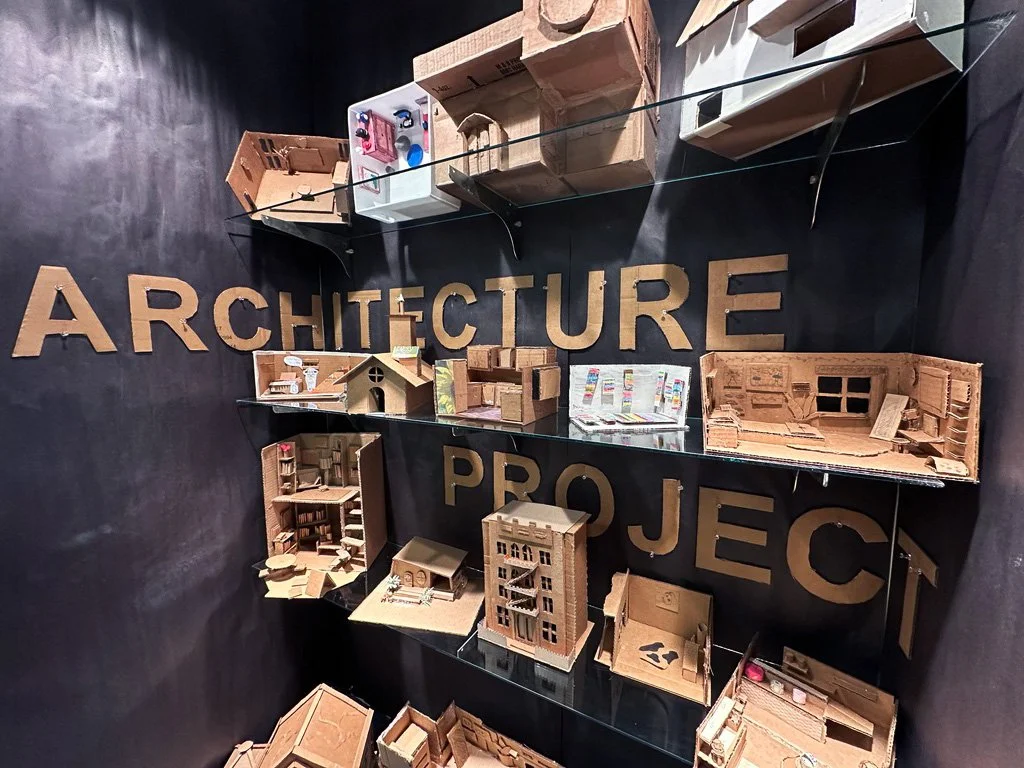
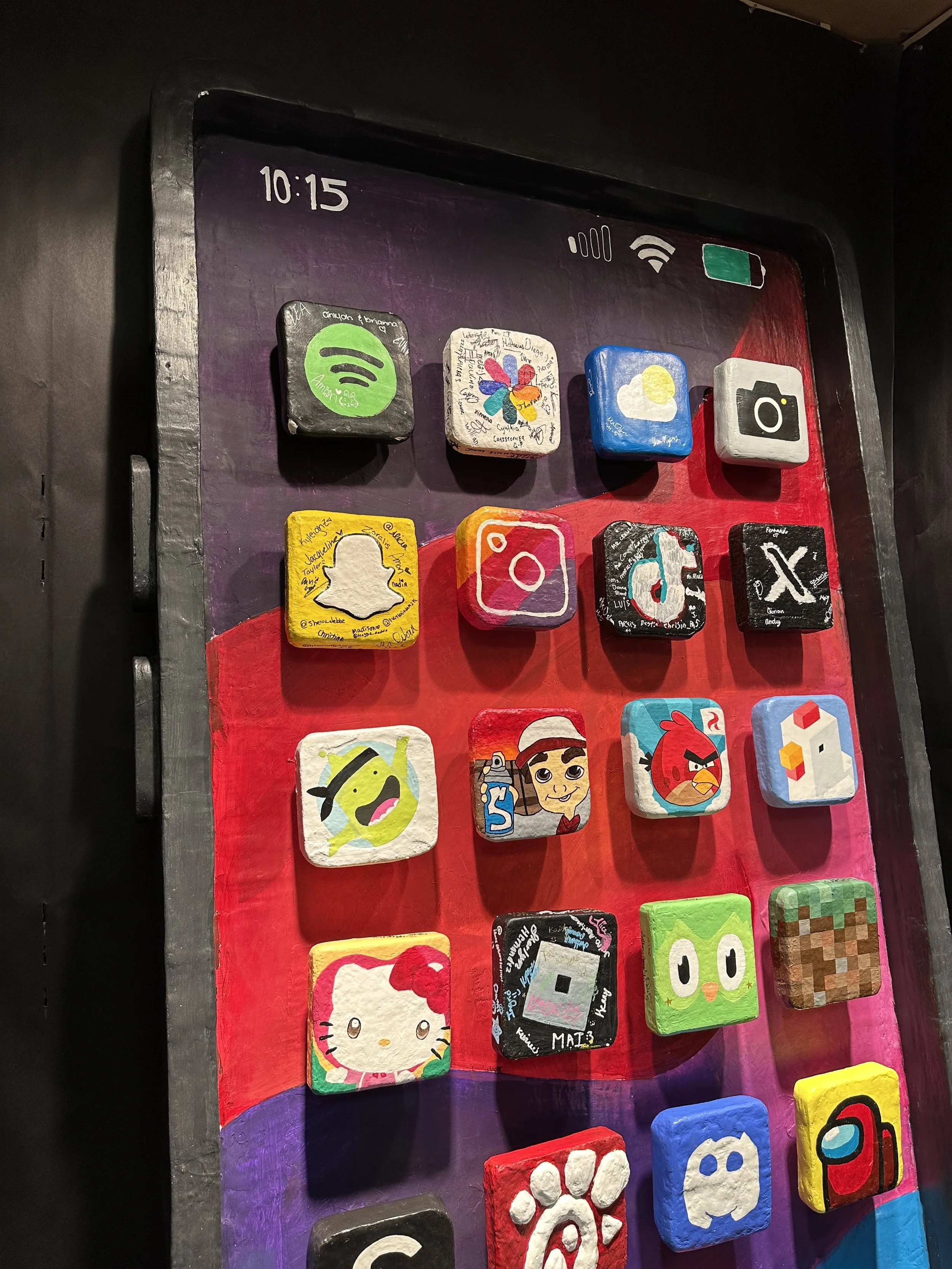
Fresh off completing my Google UX Design certificate, I had been deep in the world of icons, apps, and interfaces. I started thinking about what it would mean to take those flat digital objects and make them real, physical, sculptural, something you could walk up to and touch. I asked each student to choose their favorite app icon and build it as a sculpture. They were hooked.
Then we needed somewhere to put them. So we built a proportional iPhone, eight feet tall, standing in the middle of the classroom, and filled it with the icons my students had made by hand.
The same screens they couldn't put down became the raw material for some of the best work they'd ever made. That felt like the right answer.
Recycled Trash Coral Reef
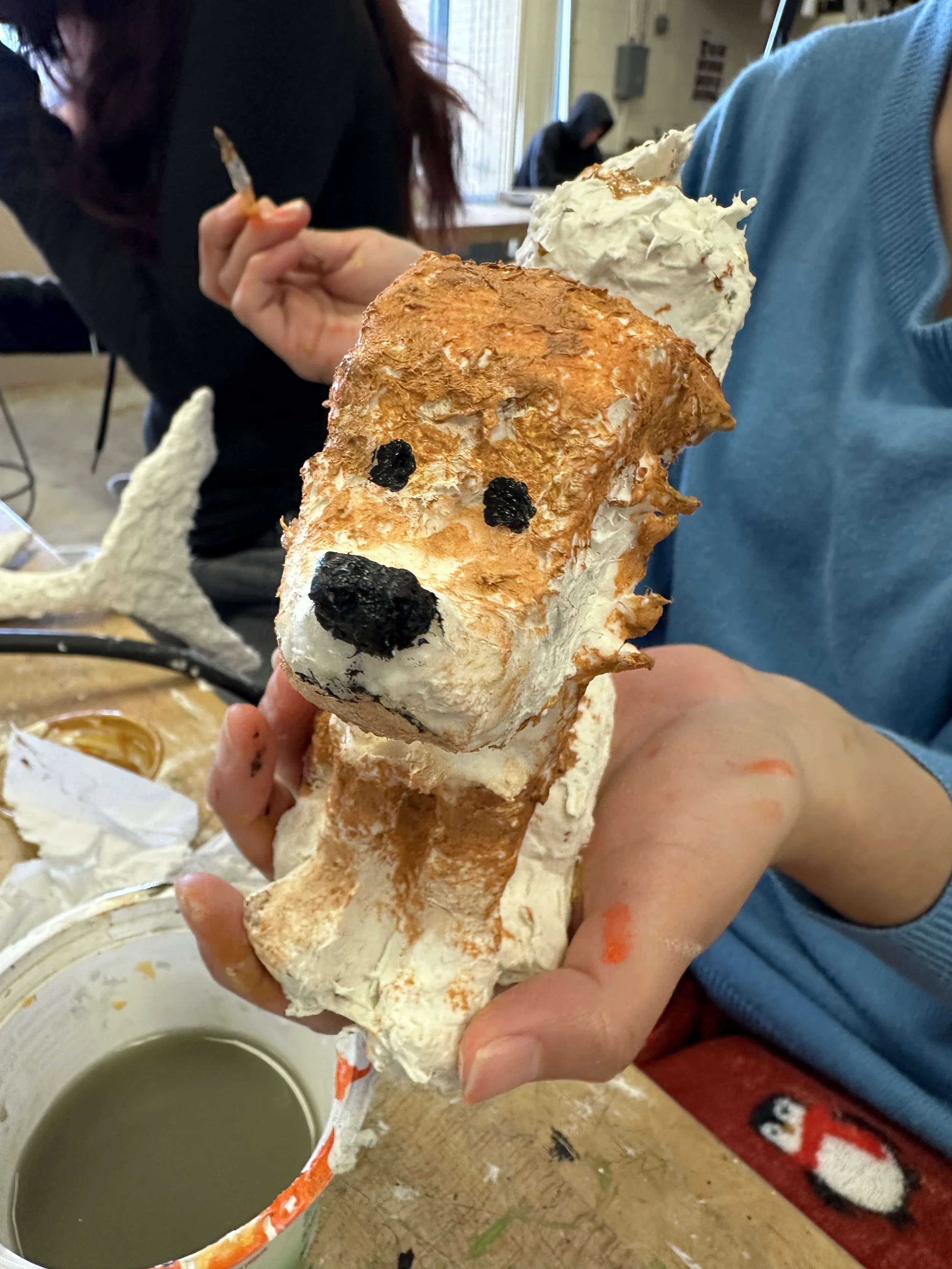
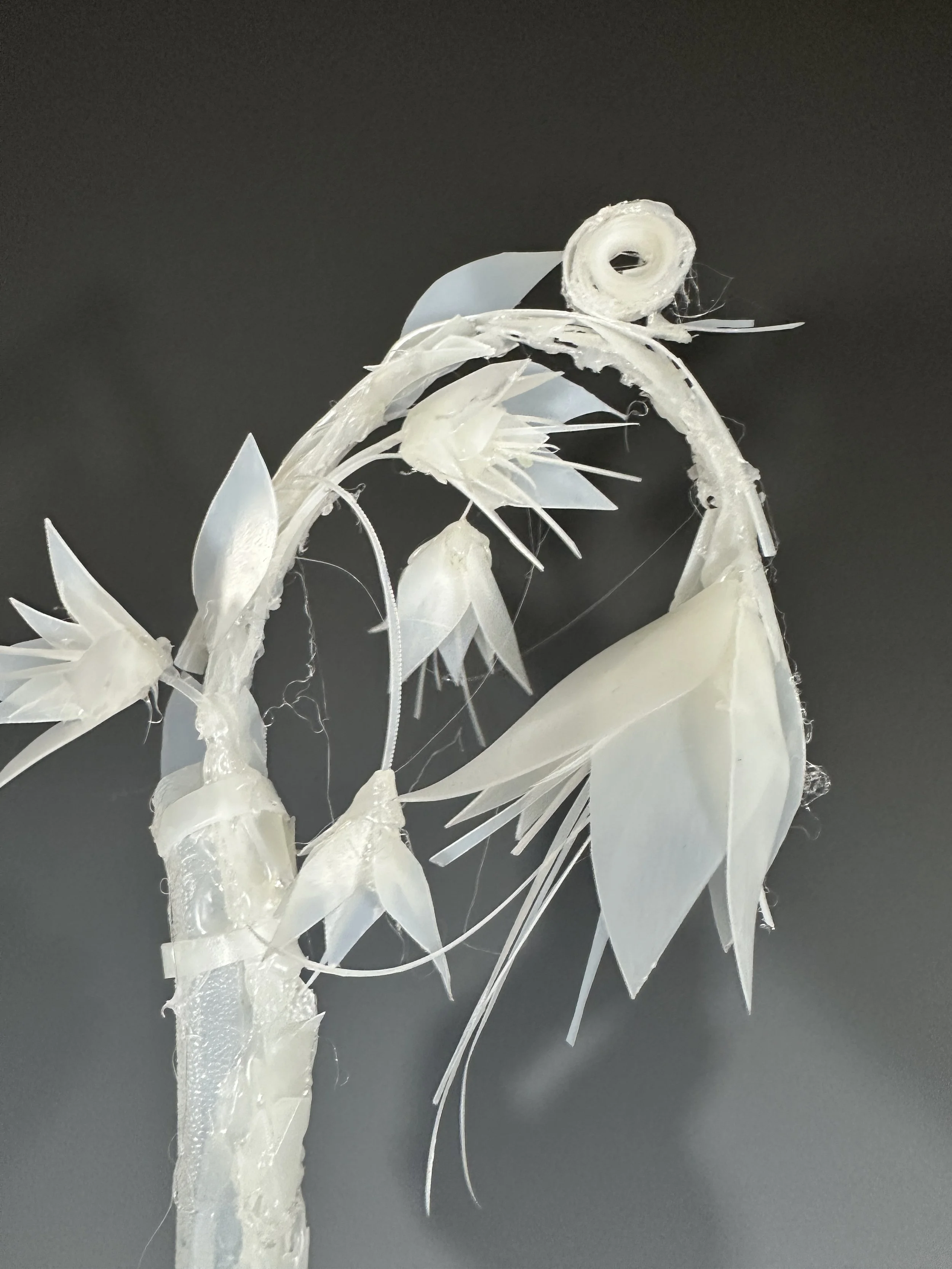
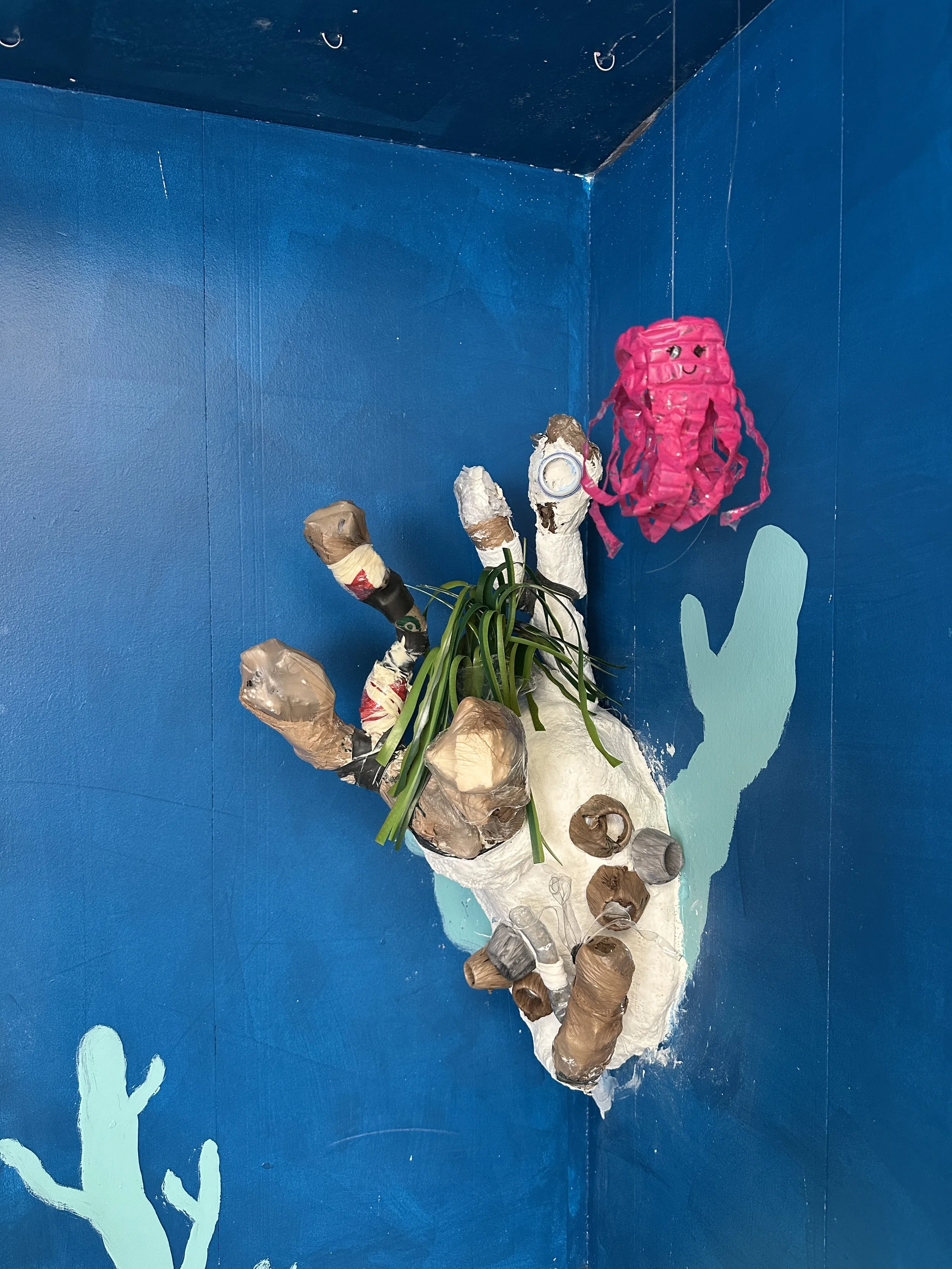
Our coral reef project began with a simple question: what can trash become? Working entirely with recycled materials — single-use plastic bags, discarded foam packaging, salvaged milk jugs — my students shaped coral formations and sea creatures from the very materials harming our oceans. The finished piece transformed a pile of waste into an underwater world, and in doing so, said something true about consumption, environmental impact, and what becomes possible when we choose to reuse rather than discard. The piece won Best in Show and Most Sustainable in Show at the Jane Goodall Art Gala at the University of Tampa.
Heart Tree
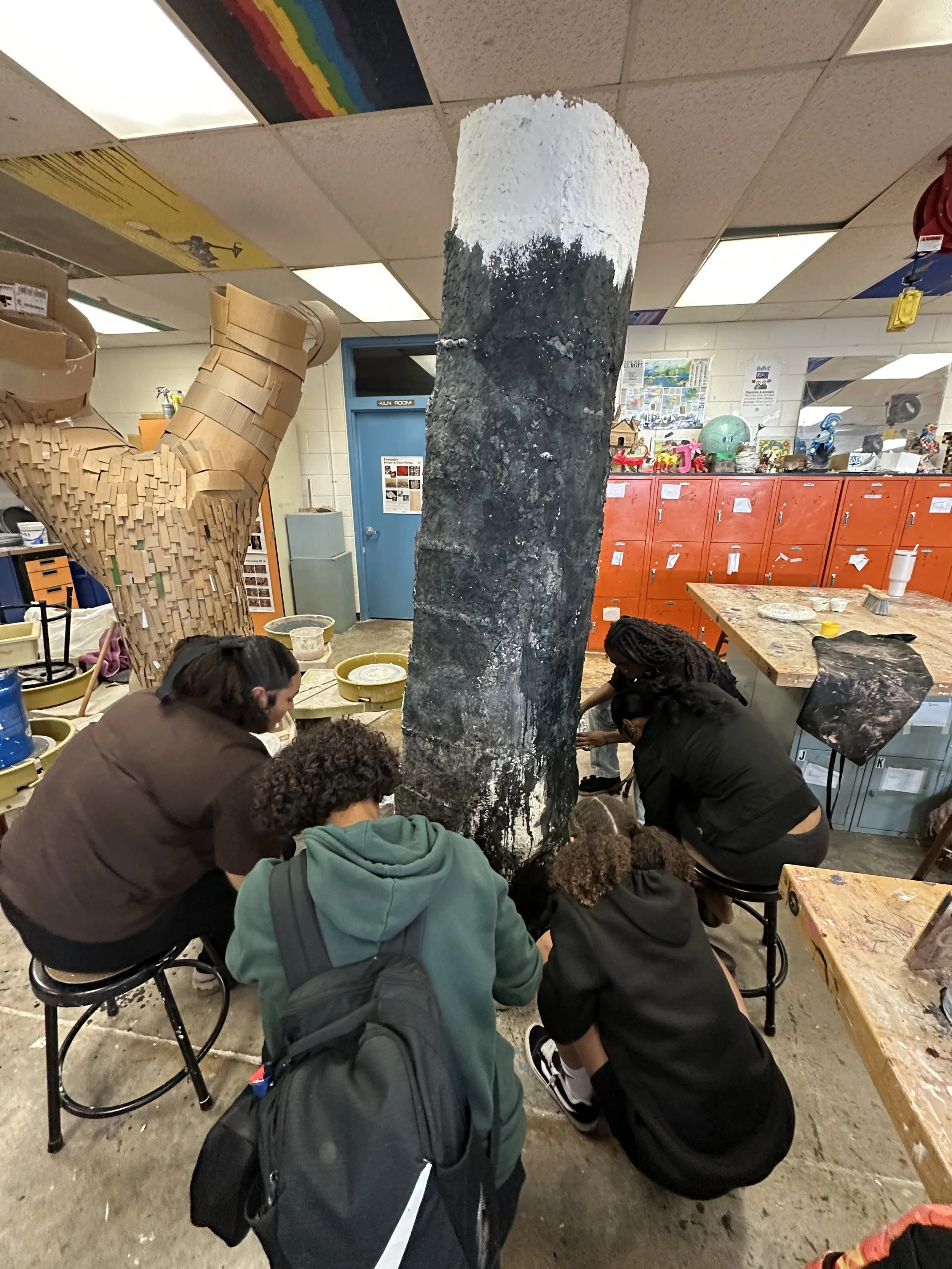
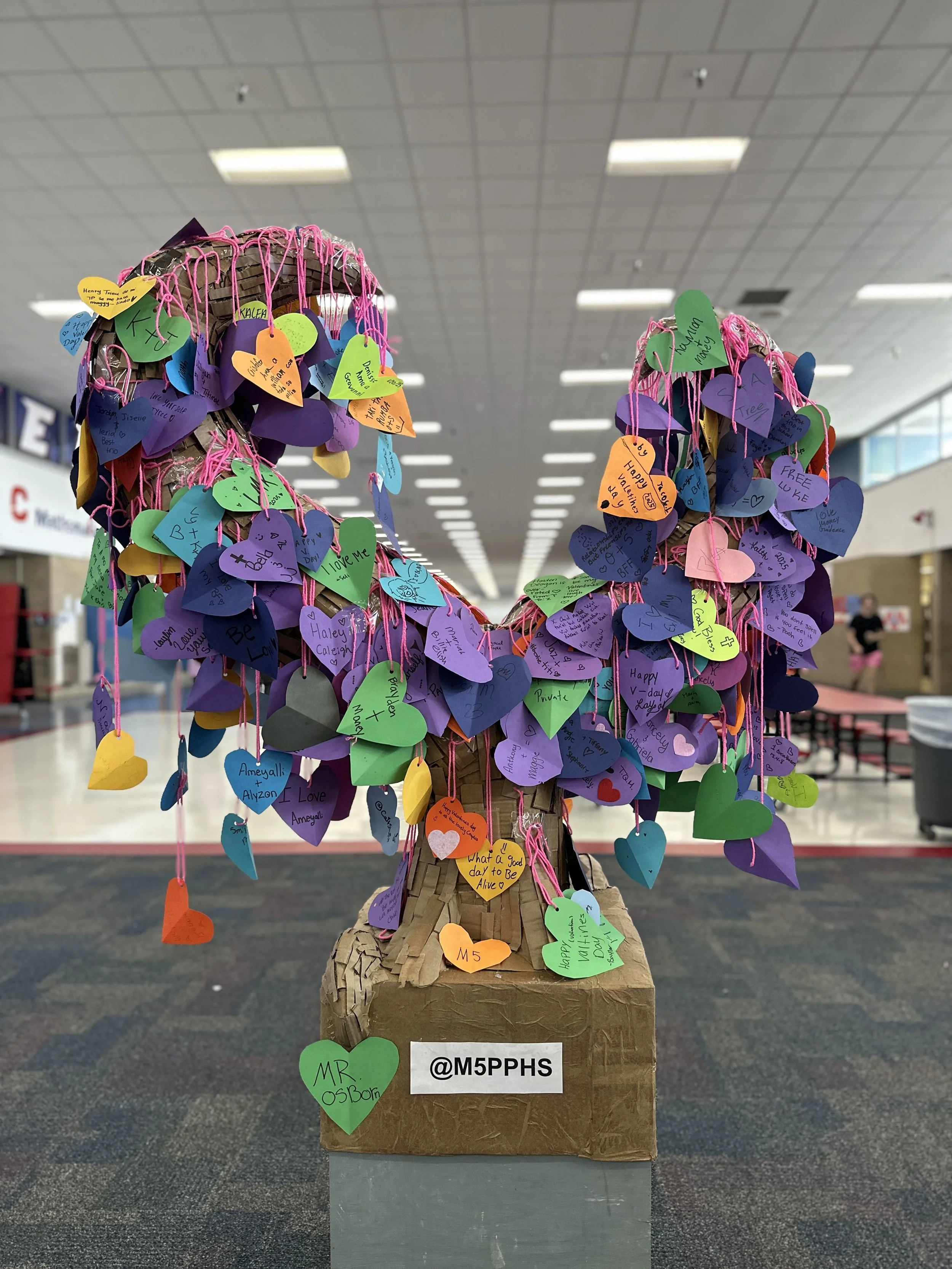
For Valentine's Day, my students constructed a heart-shaped tree from recycled cardboard and installed it in the center of our school's main walkway — the heart of our campus. We cut paper hearts and invited the whole school to fill them: a kind word, a shout-out, a small expression of love. As the day moved around it, the tree grew. By the final bell, it was something none of us had planned for — a living record of our community, blossoming with color and with care.
Analog first > Gain skill.
Then expand the toolkit.
A student who has made something by hand — a painting, a song, a sculpture, a photograph — builds a foundation that makes every tool more powerful. When they open Photoshop, Blender, Final Cut, or Logic Pro, they're not guessing. When they use an AI tool, they know how to evaluate what it produced and push it further.
Design tools are companions in the creative process, not shortcuts through it. In my classroom, that includes AI — and I teach students how to approach it, how to think critically about what it makes, and how to use it to chase an idea rather than replace one.
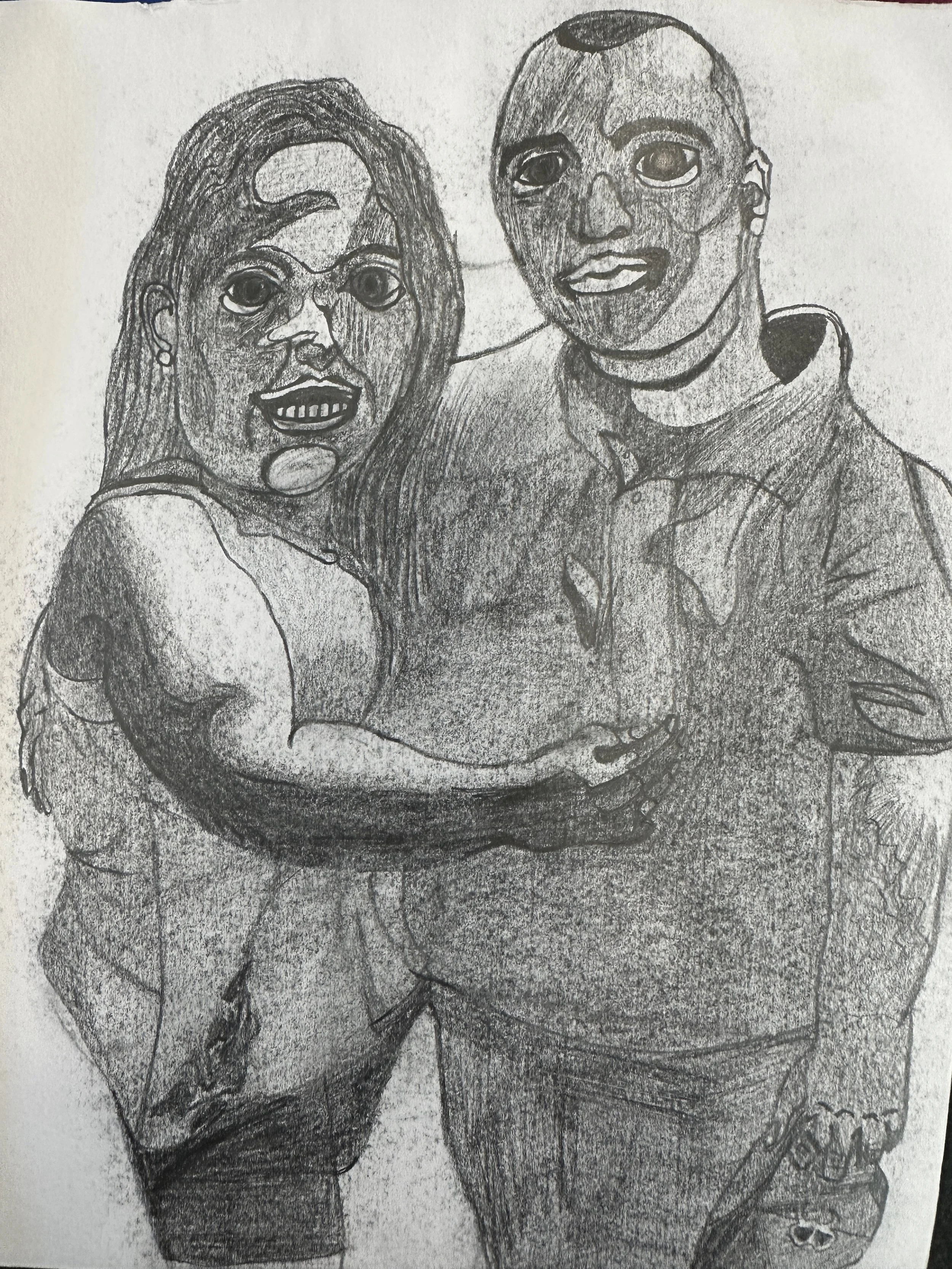
This is why I still ask students to mic a live instrument before they touch a plugin, storyboard by hand before they open an editing timeline, and sketch before they render. The constraint isn't punishment. It's how you develop taste.
Meet the Instructor
Aaron Osborn
Aaron Osborn started his career not in a classroom or a studio, but in Guatemala, teaching art to children affected by civil war, translating for medical teams, and working alongside communities across the country. That experience shaped everything that followed: a fair-trade footwear business built with local artisans, years of teaching shoemaking in Brooklyn, editing and producing videos with Suite Spot, talks at FIT and the University of Tampa, and now a high school art studio where students regularly do things people don’t expect.
Aaron's teaching is grounded in the belief that real skill leads to real freedom. Once students have the fundamentals, they have a voice. He practices what he teaches, painting, drawing, and sculpting alongside his design work. Aaron brings that same spirit of experimentation into every room he's part of.
Aaron Osborn started his career not in a classroom or a studio, but in Guatemala, teaching art to children affected by civil war, translating for medical teams, and working alongside communities across the country. That experience shaped everything that followed: a fair-trade footwear business built with local artisans, years of teaching shoemaking in Brooklyn, editing for production studios in NYC, talks at FIT and the University of Tampa, and now a high school art studio where students regularly do things people don’t expect.
Aaron's teaching is grounded in the belief that real skill leads to real freedom. Once students have the fundamentals, they have a voice. He practices what he teaches, painting, drawing, and sculpting alongside his design work. Aaron brings that same spirit of experimentation into every room he's part of.